Along the Air Line... 2026 - Spring, Part 16 The Air Line Trail in Eastern Connecticut - Stan Malcolm Photos |
HOME: Air Line... 2026 Pages Menu Stan's FlickR Albums |
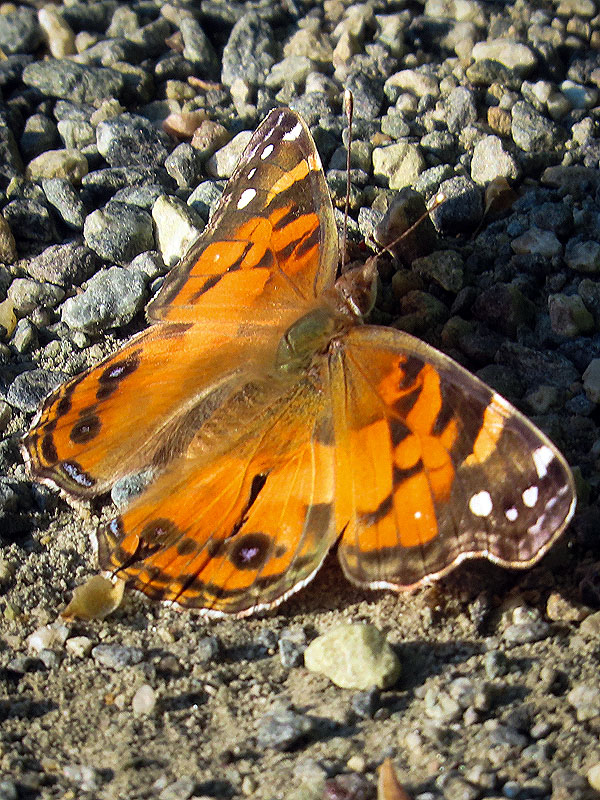
May 19th. A very hot day ahead. American Lady (Vanessa virginiensis). |
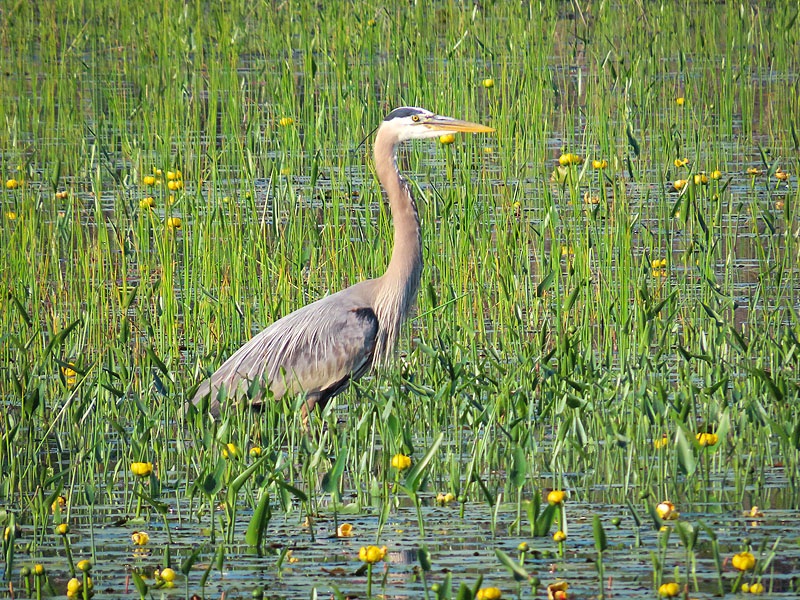
One Great Blue Heron (Ardea herodius) at the marsh. |
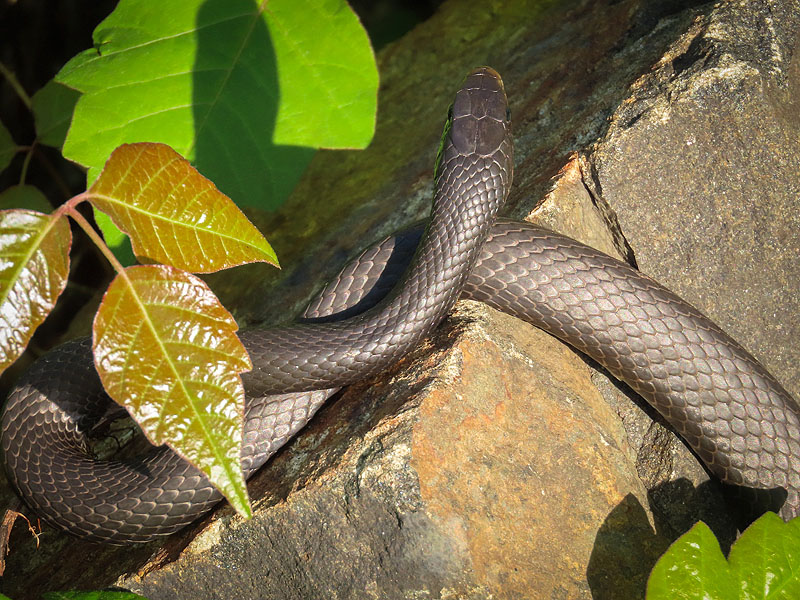
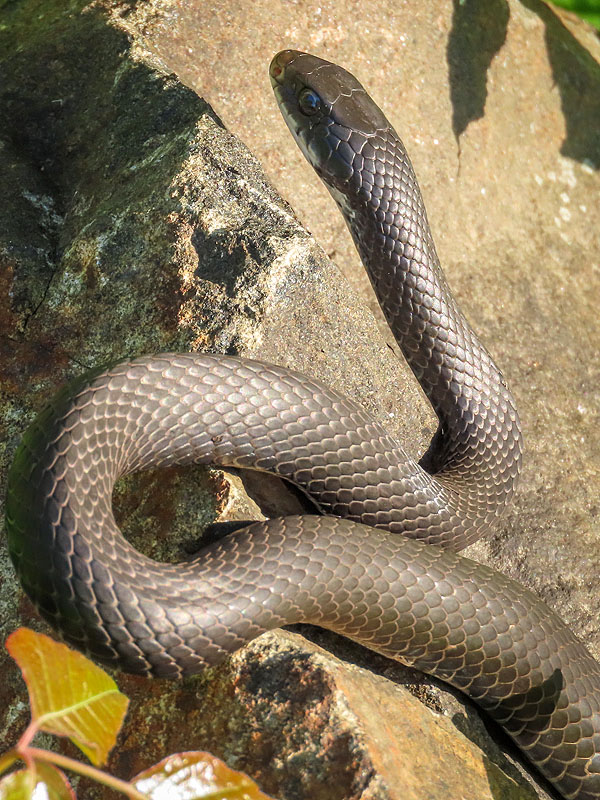
A young adult Northern Black Racer (Coluber constrictor constrictor). I saw two of them today. |
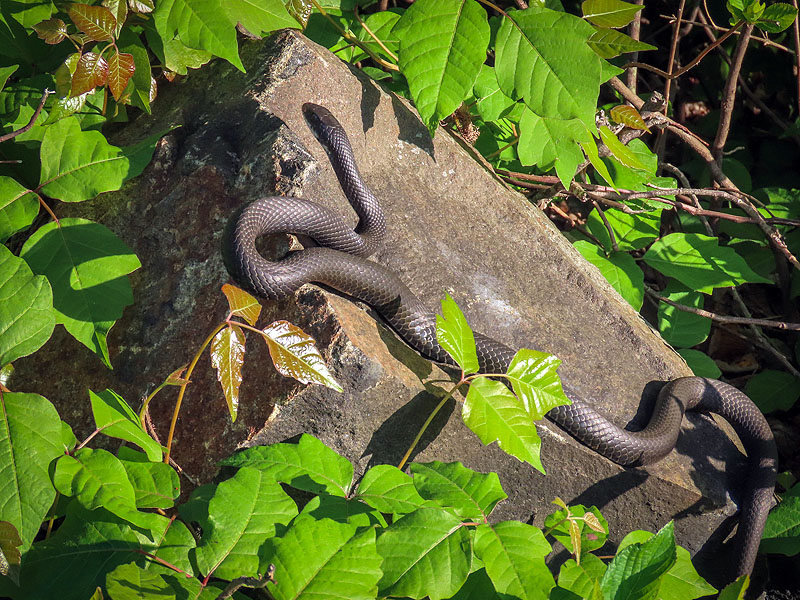
Note the Poison Ivy (Toxicodendron radicans) leaves. |
|
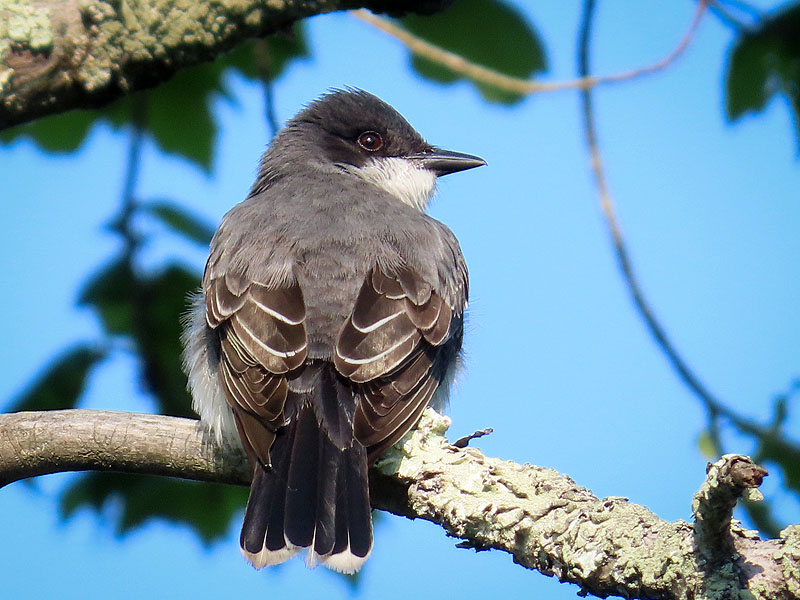
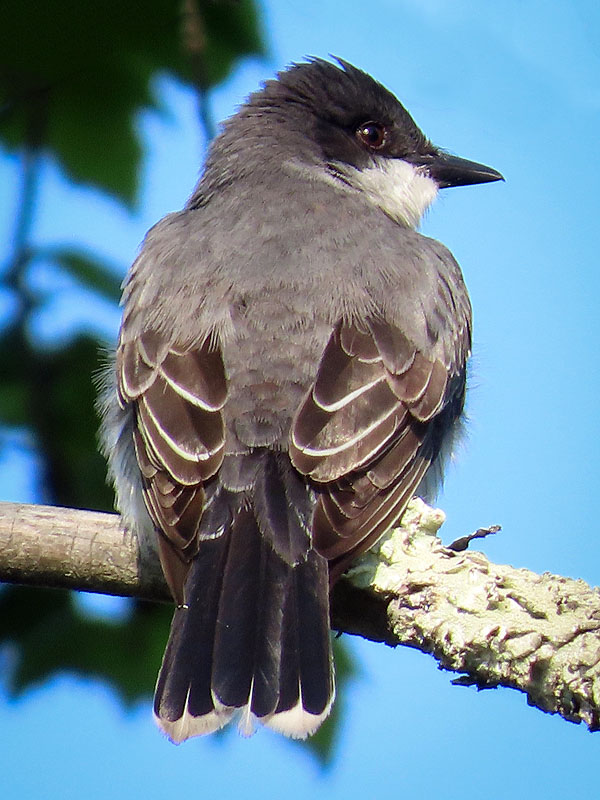
Eastern Kingbird (Tyrannus tyrannus). |
|
At Old Colchester Road, removing the dirt bags they had placed late last week. |
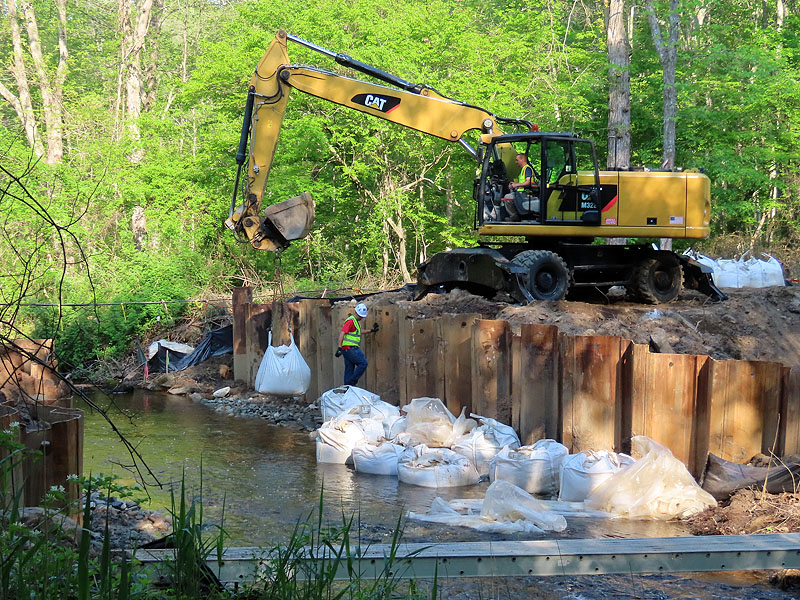
Back out in the afternoon. All the bags are removed. and there's a layer of rock against the barrier steel. |
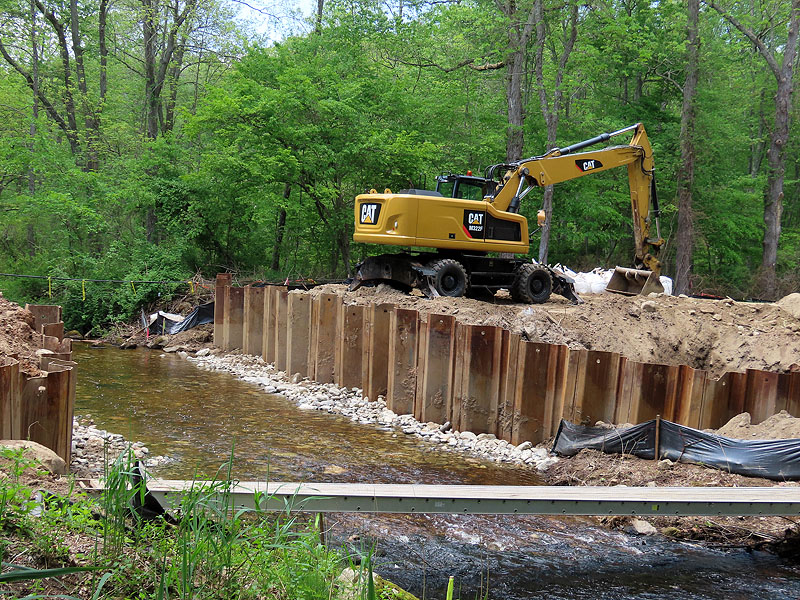
A lot of the clean large rocks are gone. |
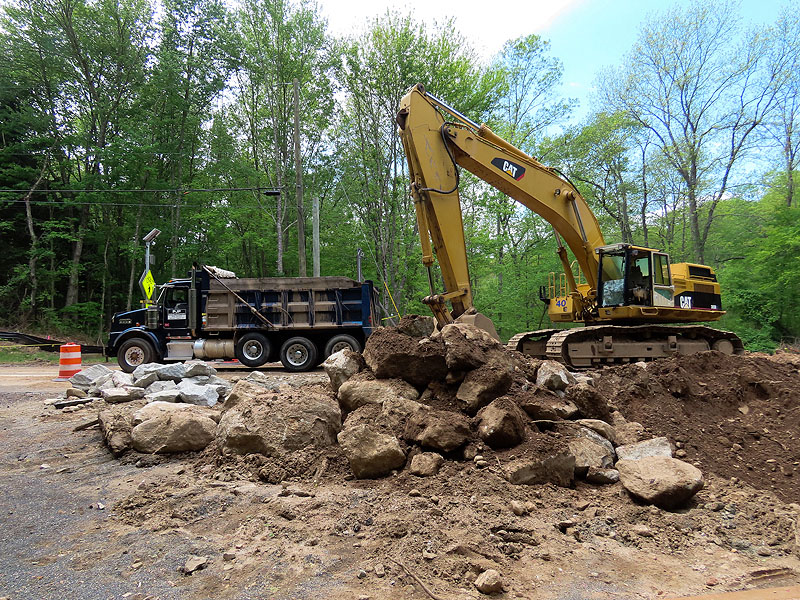
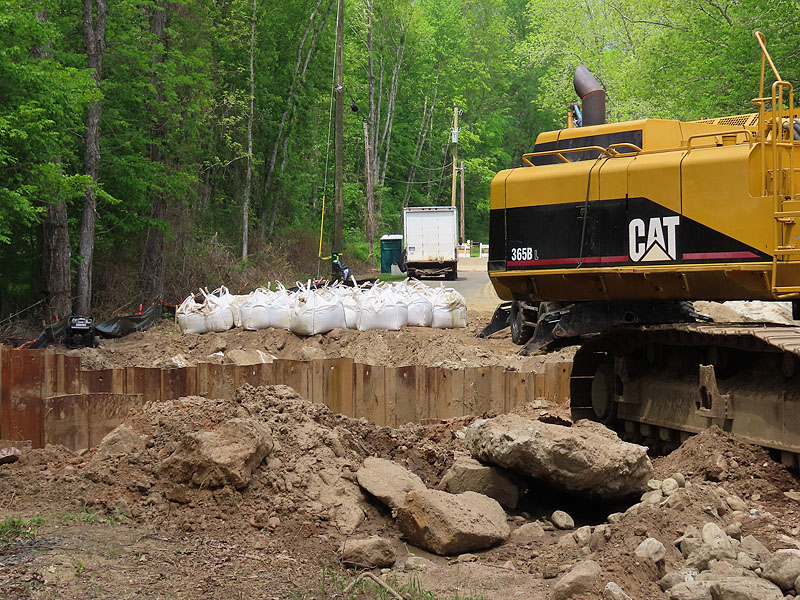
The bags are neatly ordered, perhaps for further duty. (Nobody around to ask.) |
Lots of Wild Geranium (Geranium maculatum) across River Road from Norton's Pond. |
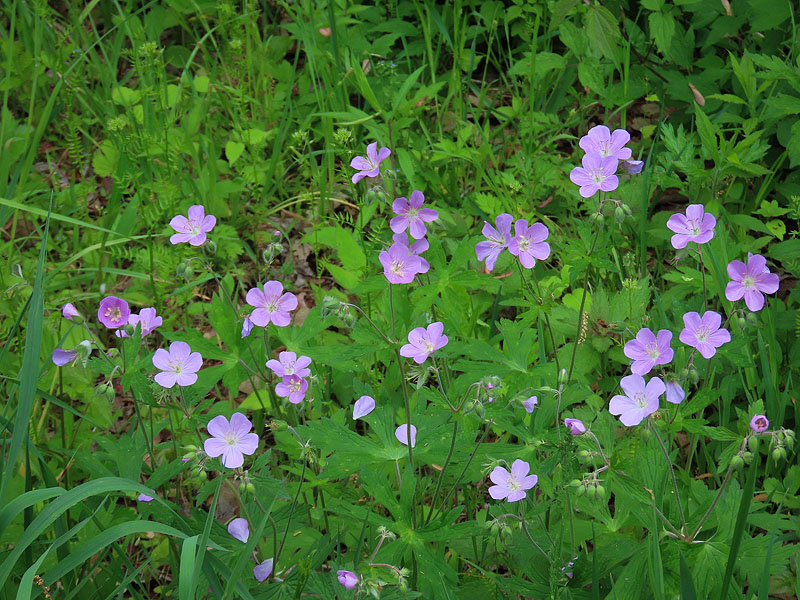
|
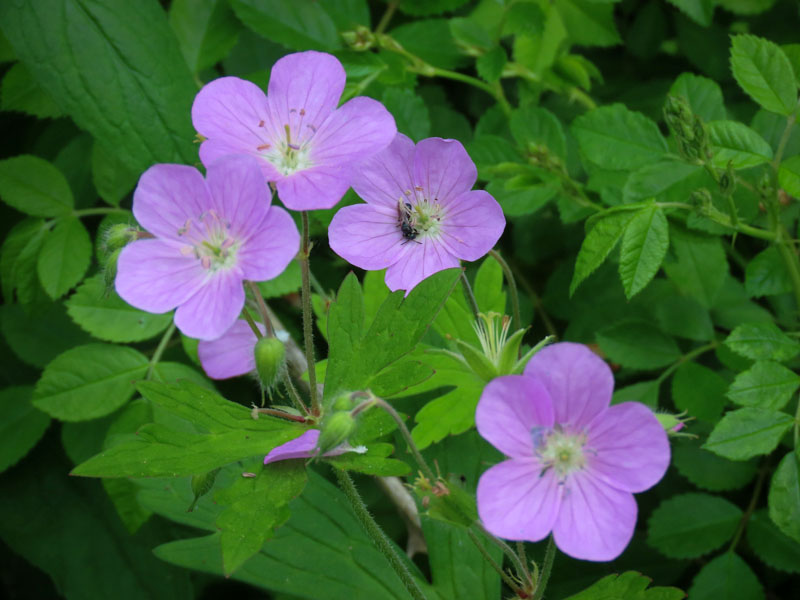
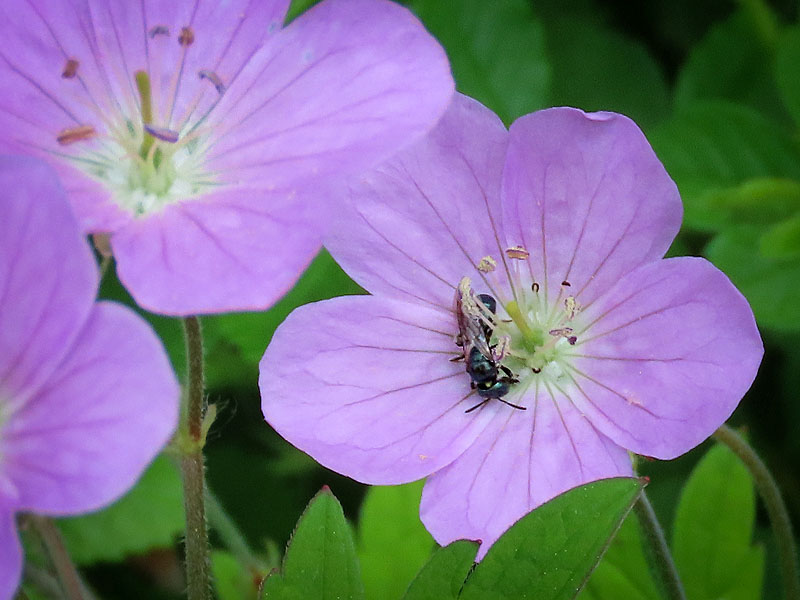
Looks like a metallic green Cuckoo Wasp (Chrysis sp.). |
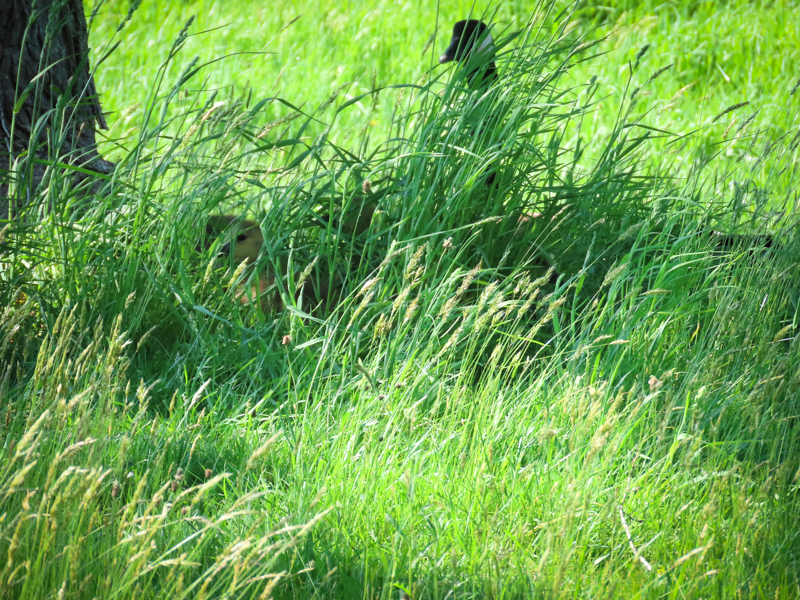
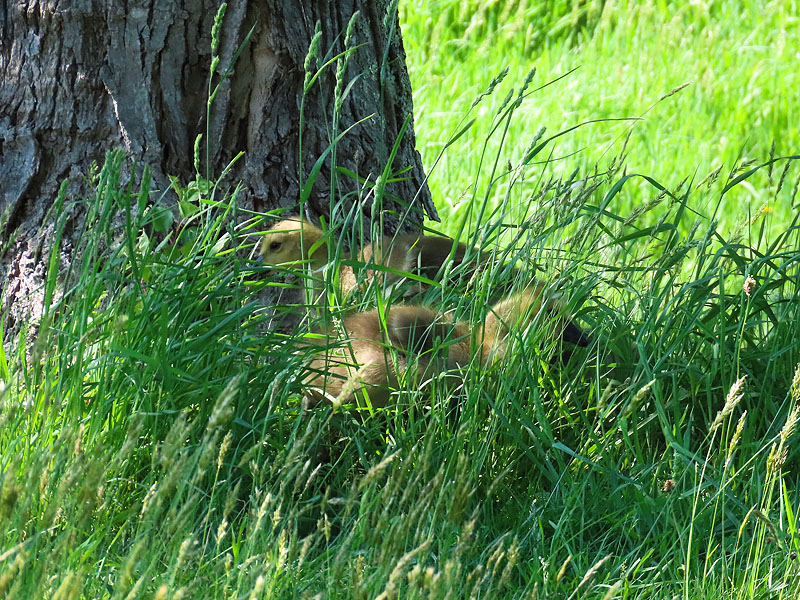
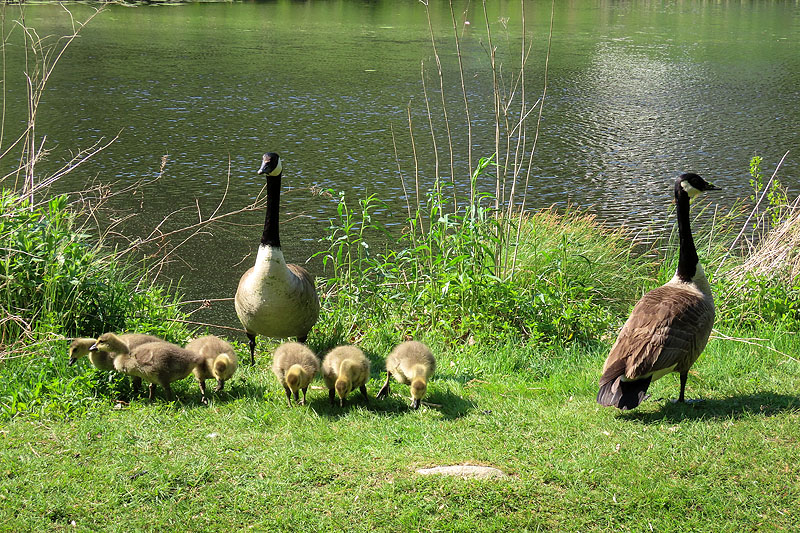
At Cranberry Bog, the Canada Goose (Branta canadensis) family sheltering from the heat (90+ degrees) in shade from a tree. |
|
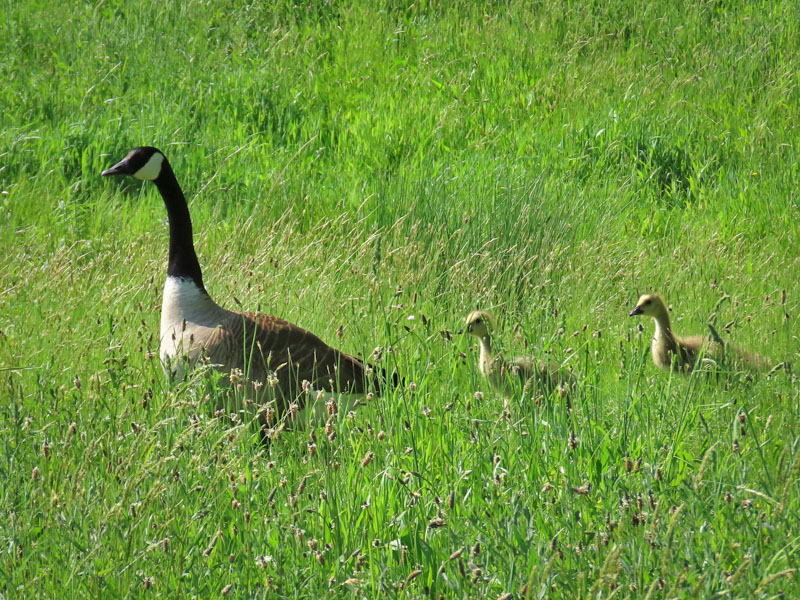
Then the headed for the water... |
...for a drink... |
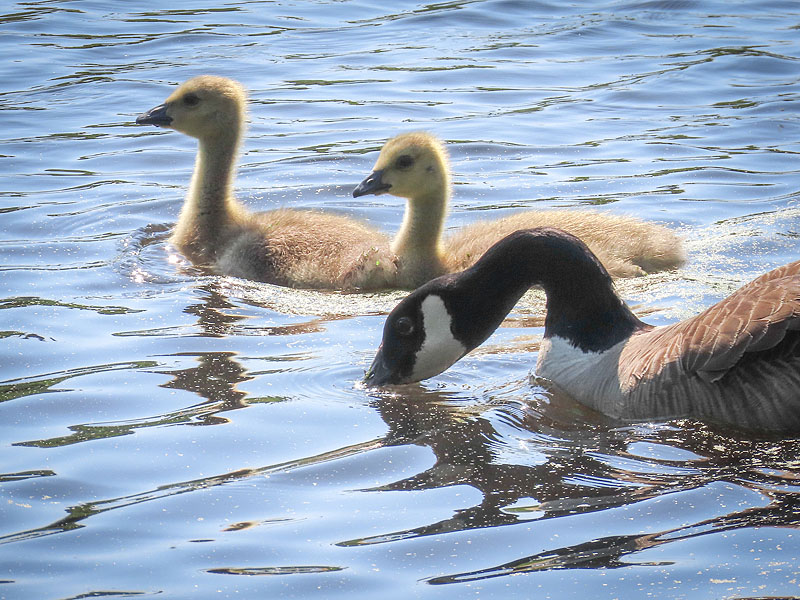
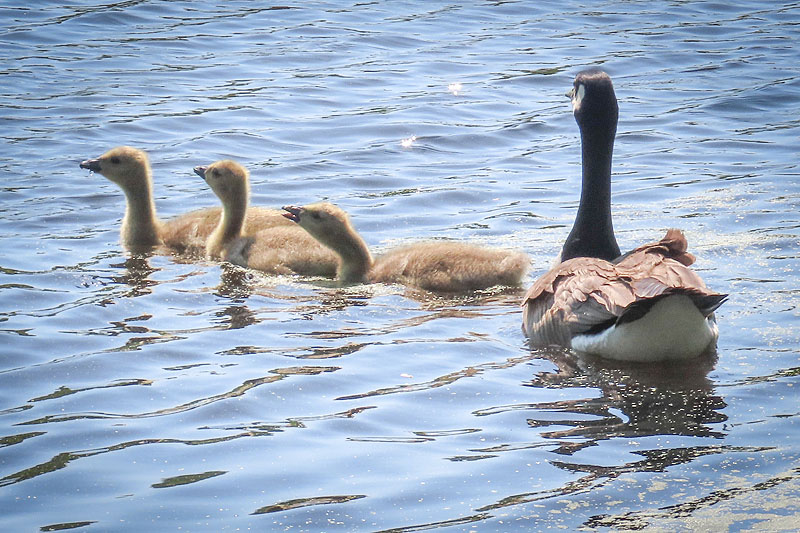
...a paddle... |
|
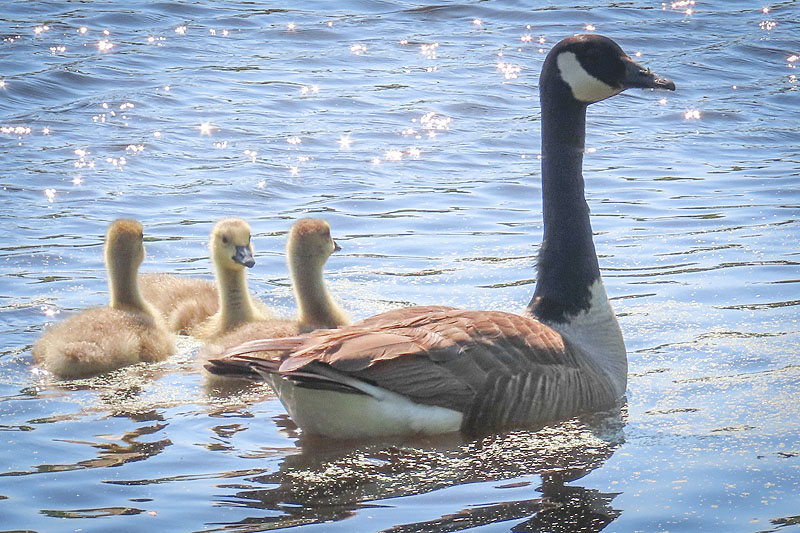
|
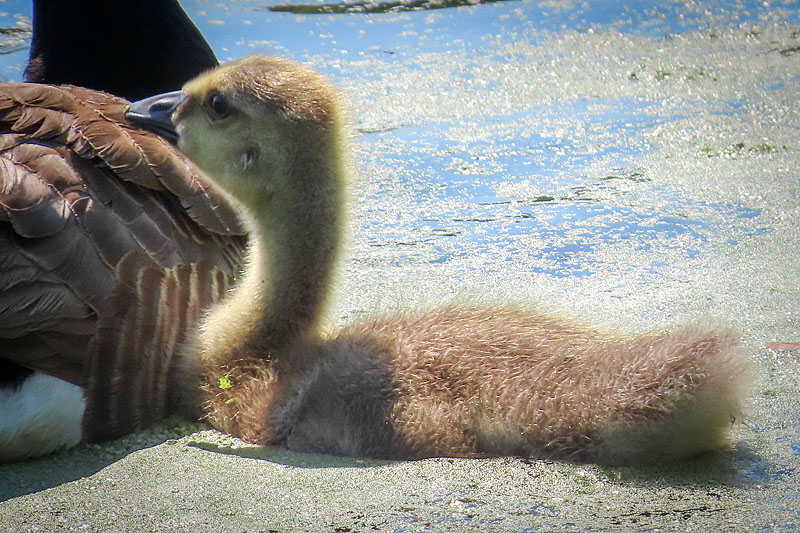
|
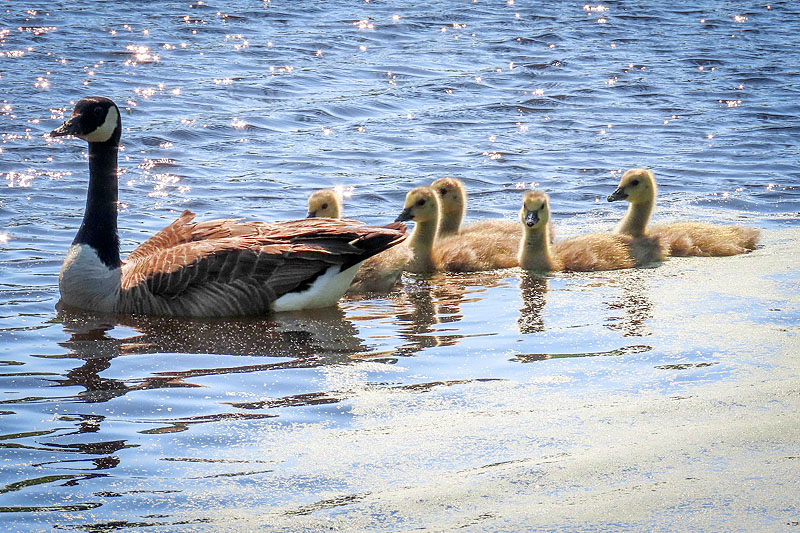
|
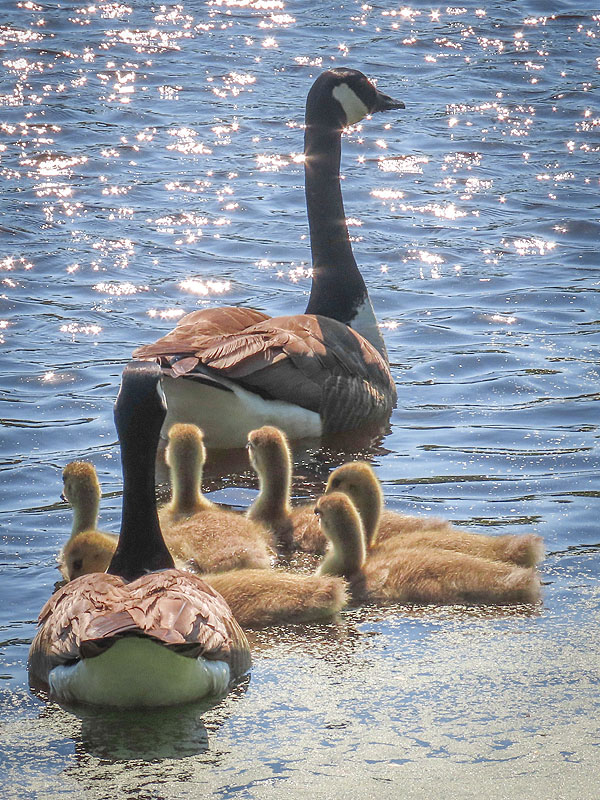
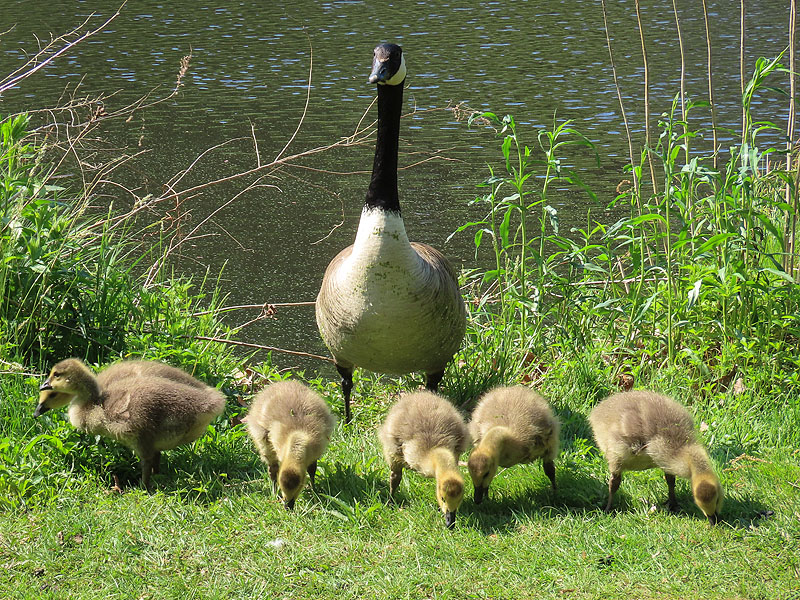
...and a nibble of the grass right beside the trail. (Note: Don't get too close; the adults will defend the family.) |
|
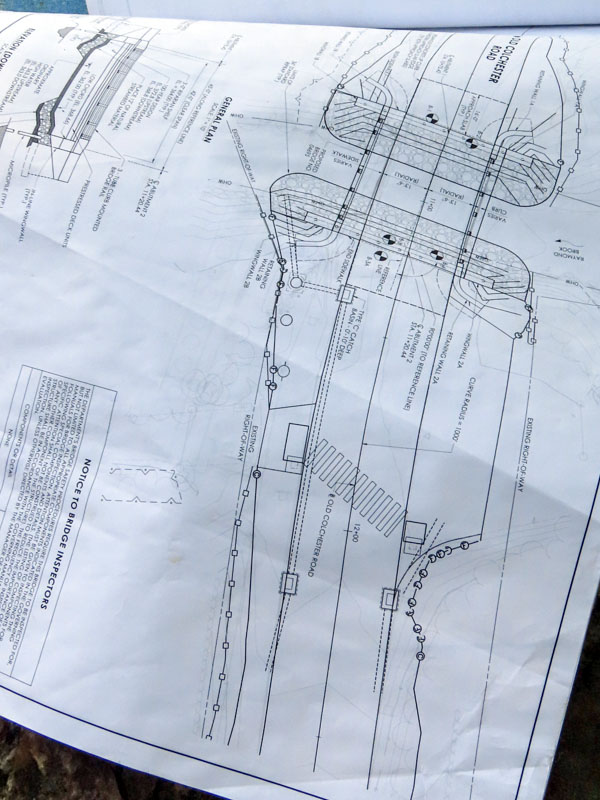
May 20th. At Old Colchester Road, the workers left the plan for the bridge open, visible from across the tape barrier. I don't know how to interpret most of it, but some of you may find it interesting. |
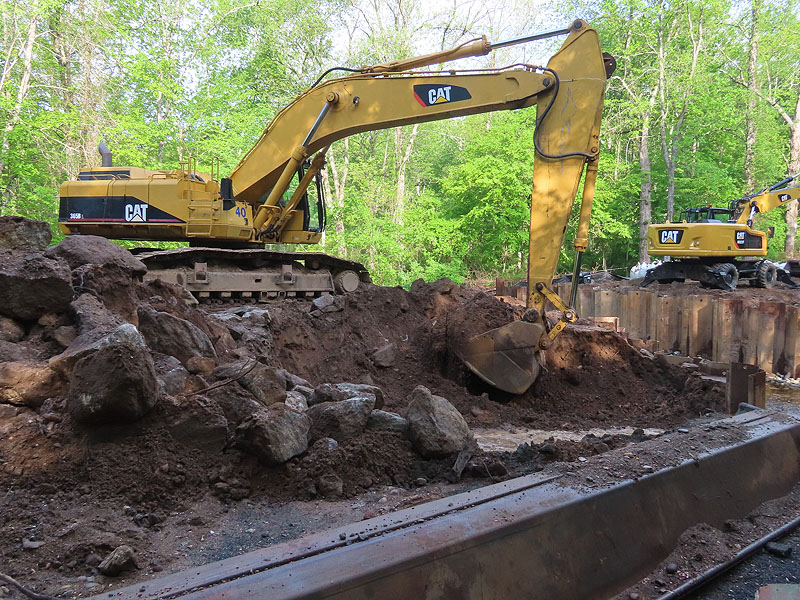
Lots of earth being removed this morning. |
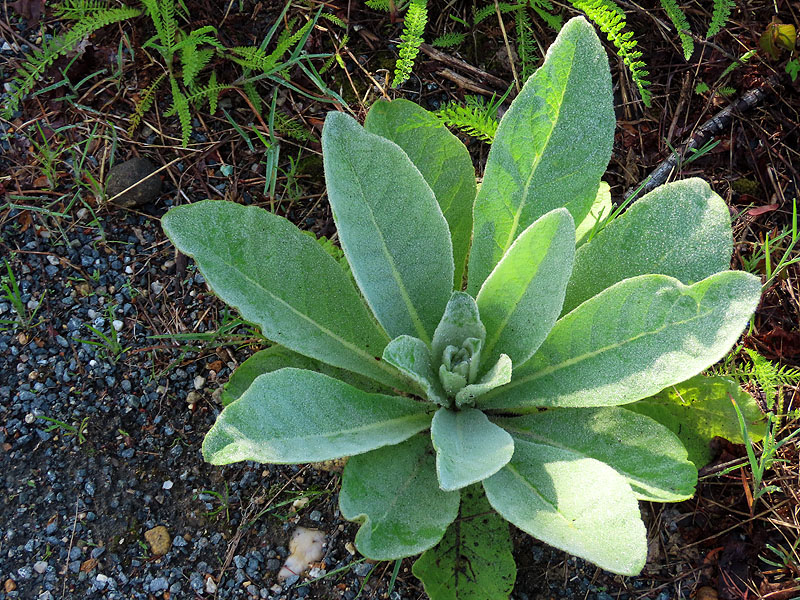
Nice healthy Common Mullein (Verbascum thapsus). |
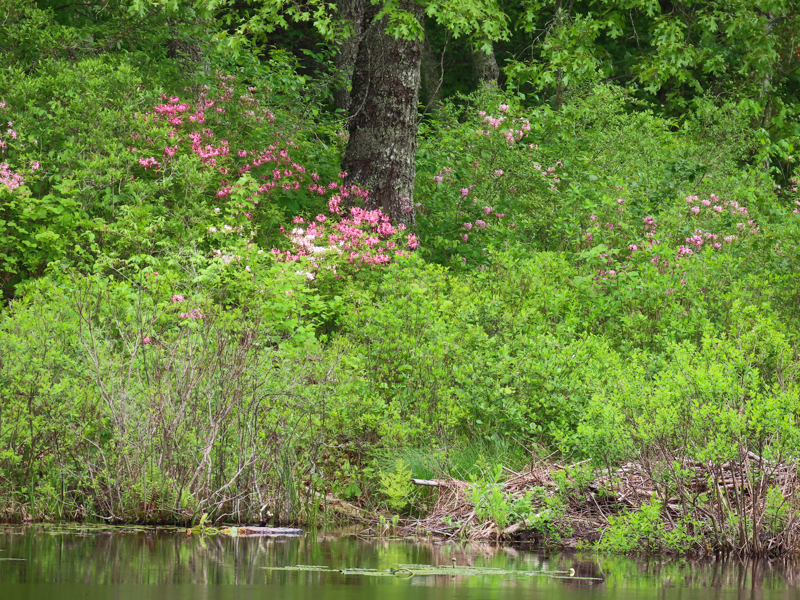
May 21st. Pink Azalea or Pinxter-flower (Rhododendron nudiflorum) at the pond east of Route 207. Beaver lodge at the right. |
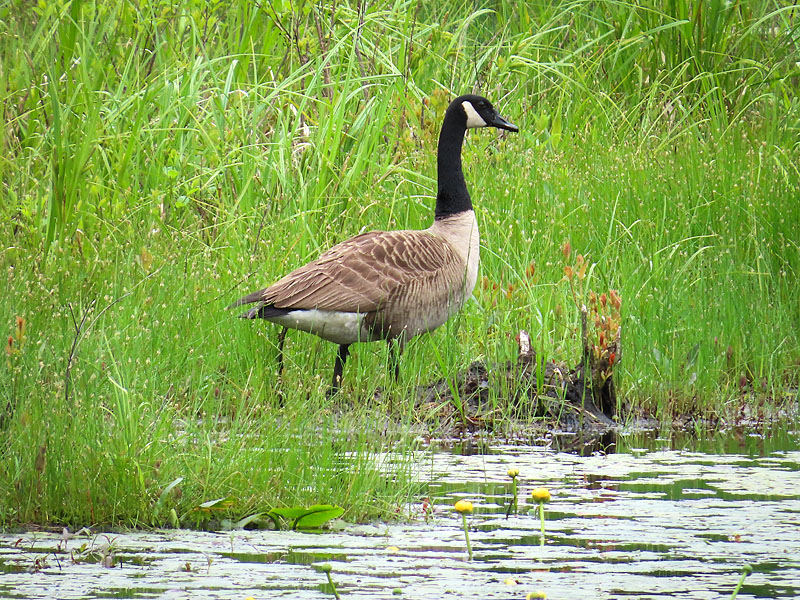
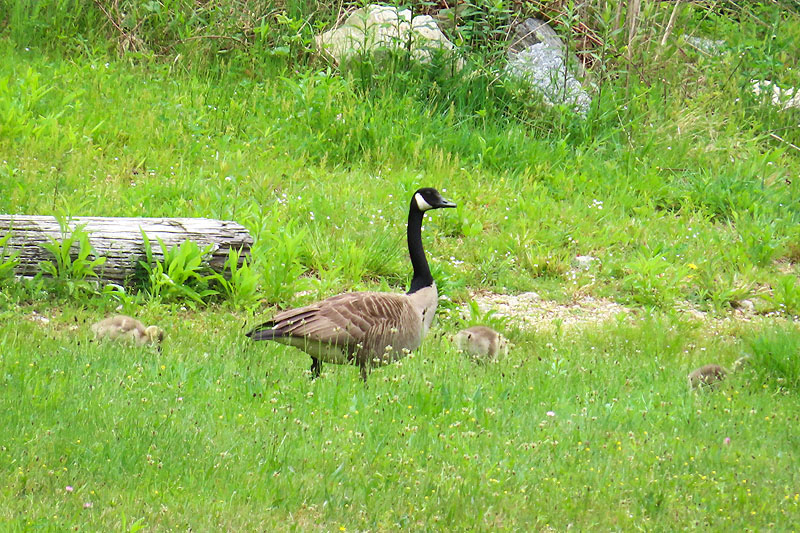
One noisy Canada Goose (Branta canadensis) at that pond... |
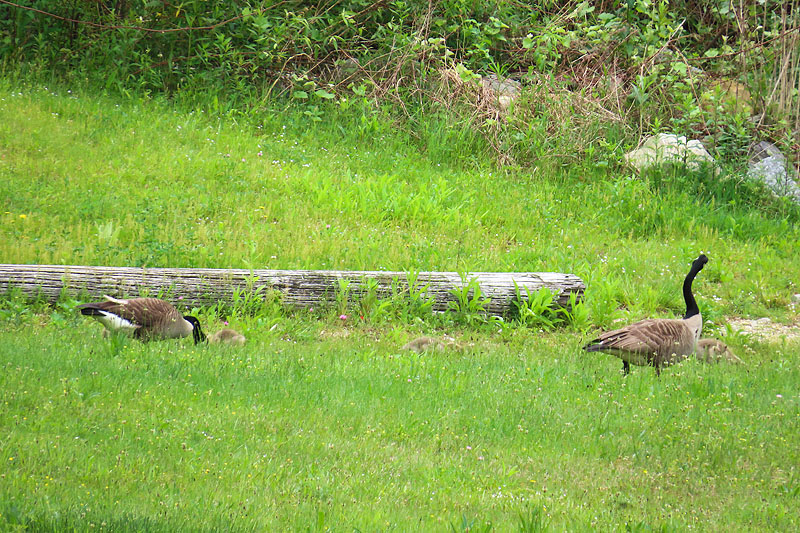
...and a family of the geese at the Rod and Gun Club across the trail. |
|
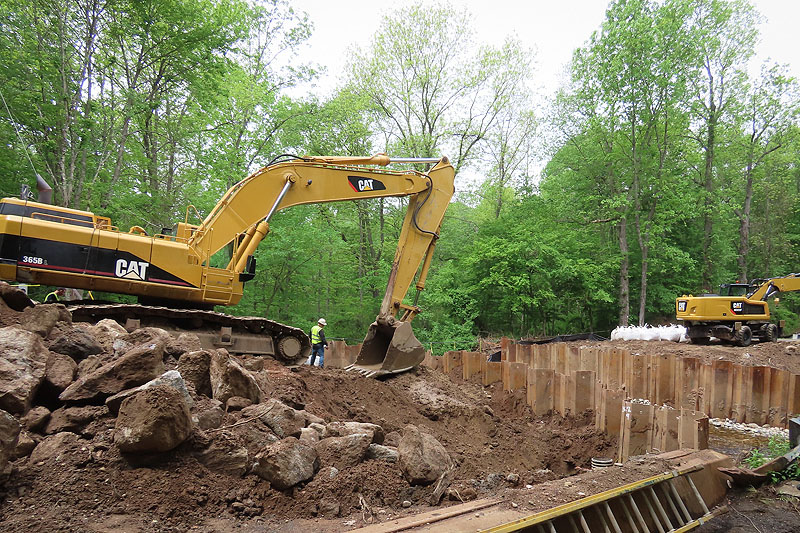
More digging at Old Colchester Road. They need to reach bedrock to anchor the new bridge. |
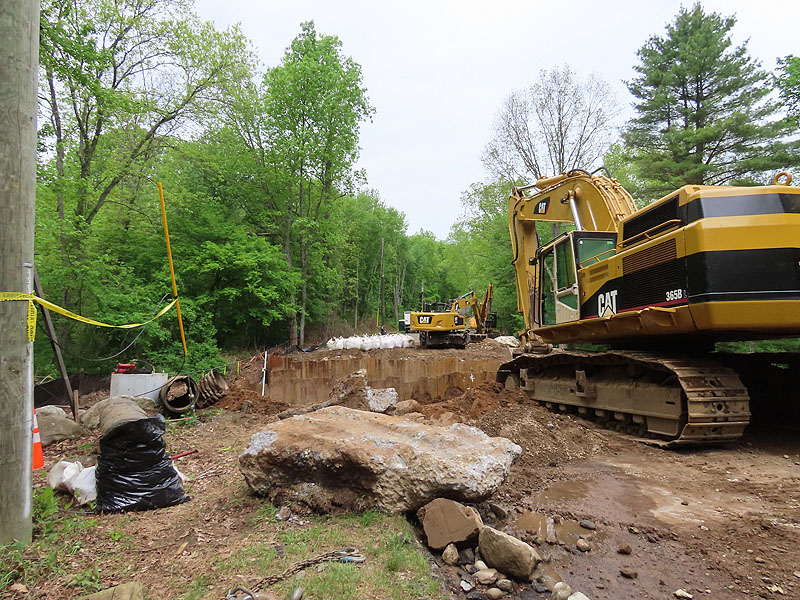
Looks like they uncovered a big chunk of concrete. |
Cranberry Bog later in the afternoon. Geese, but goslings??? |
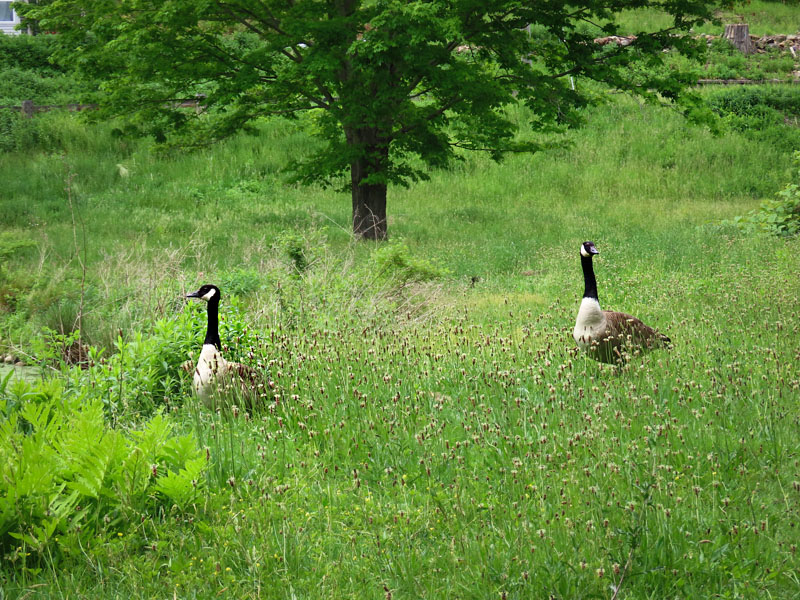
Ah, here are a couple. |
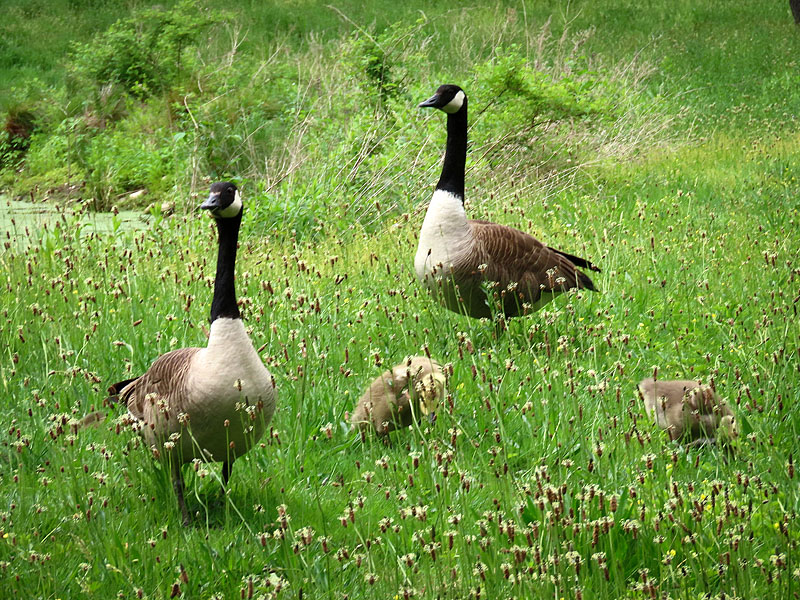
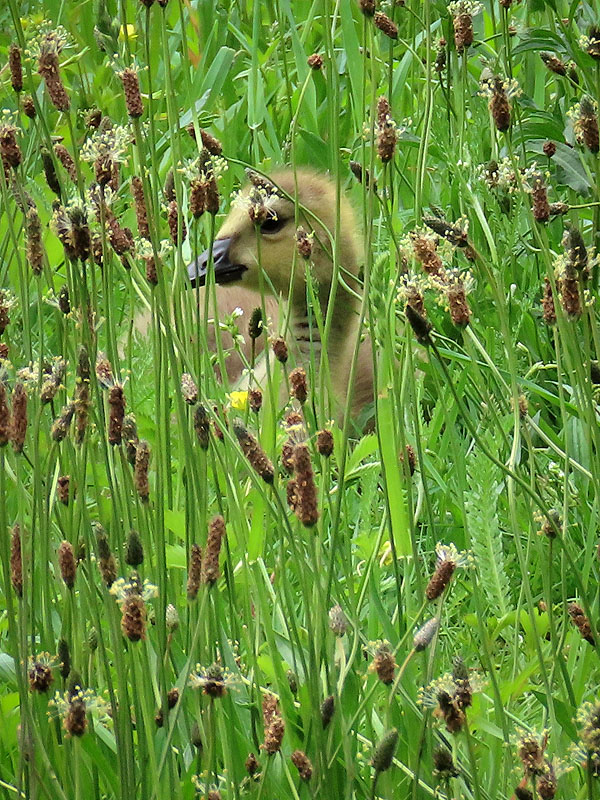
Not always easy to spot them. |
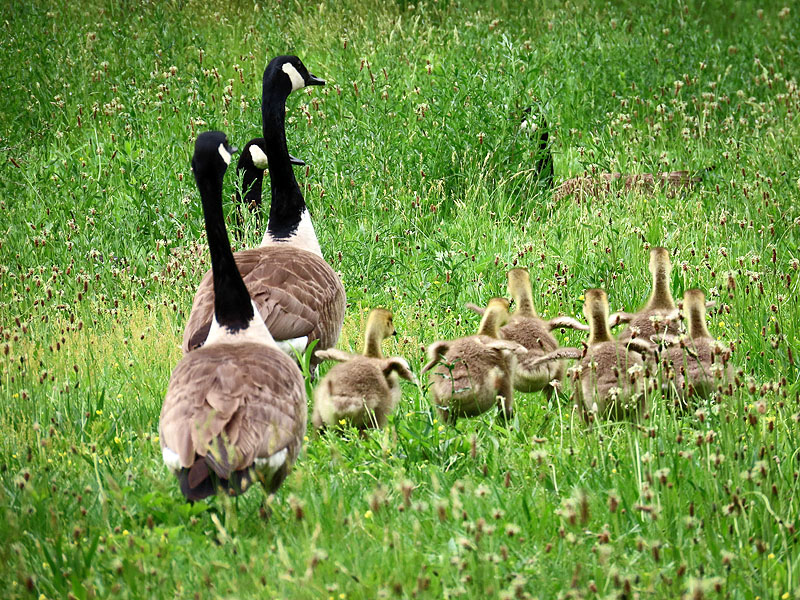
The goslings exercising their wings. |
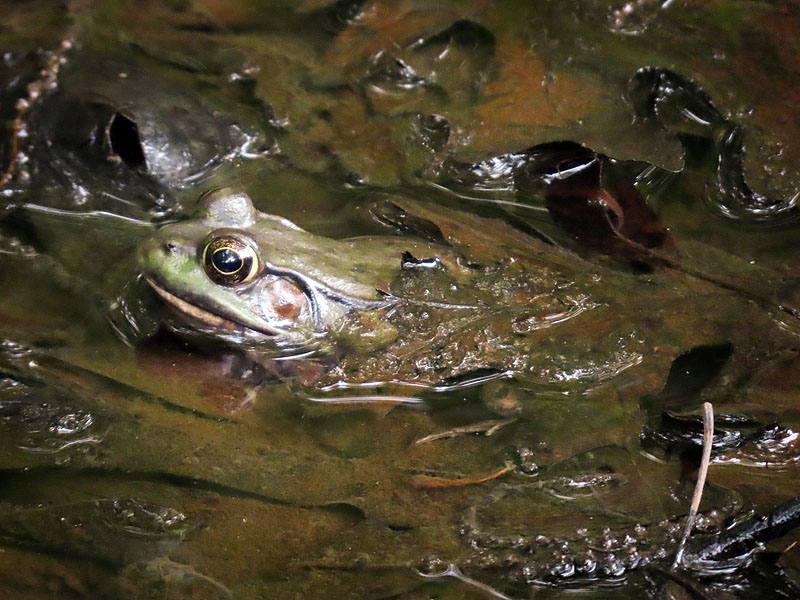
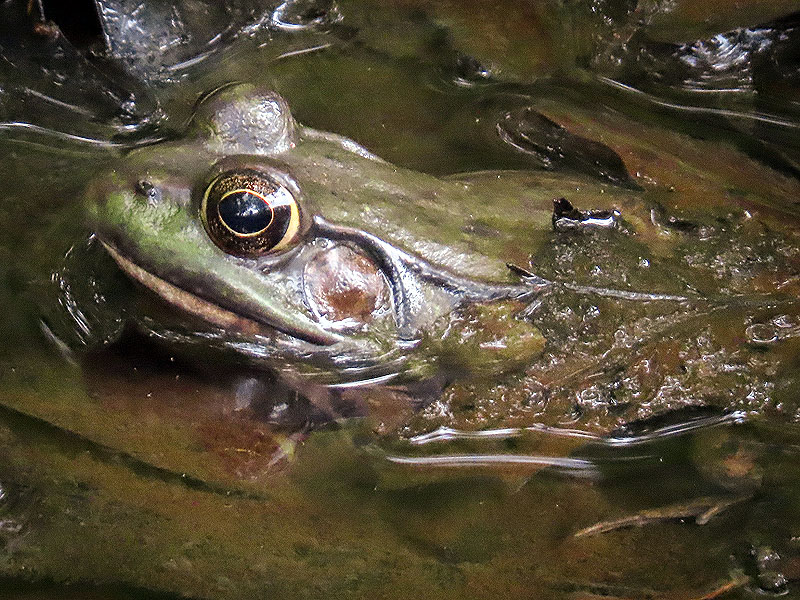
Green Frog (Lithobates clamitans) in a trailside ditch. |
|
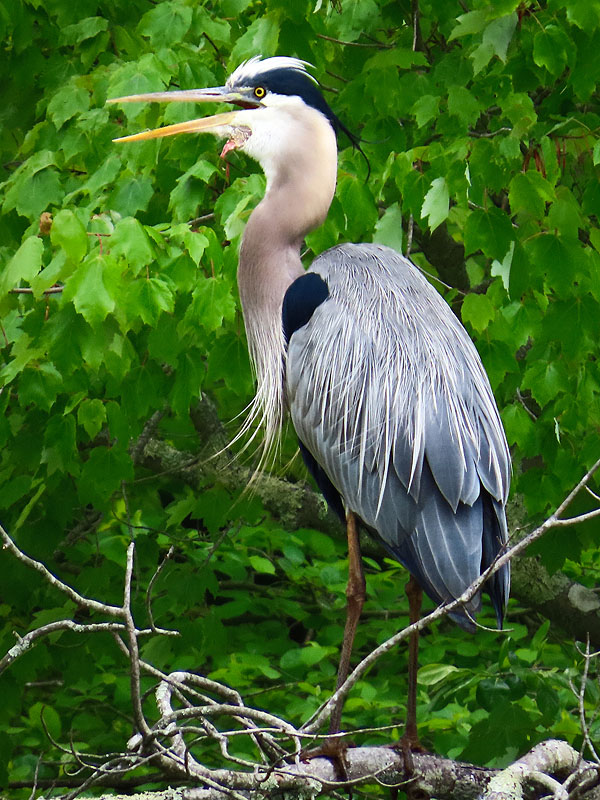
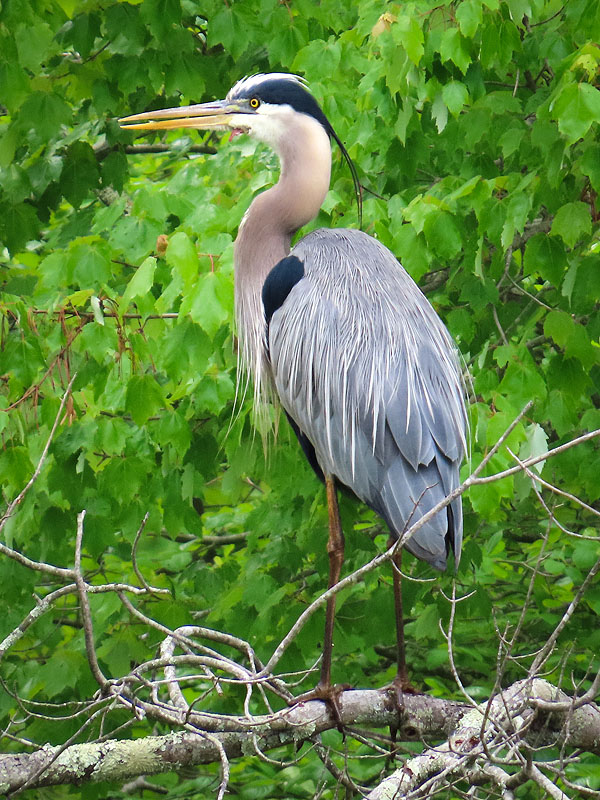
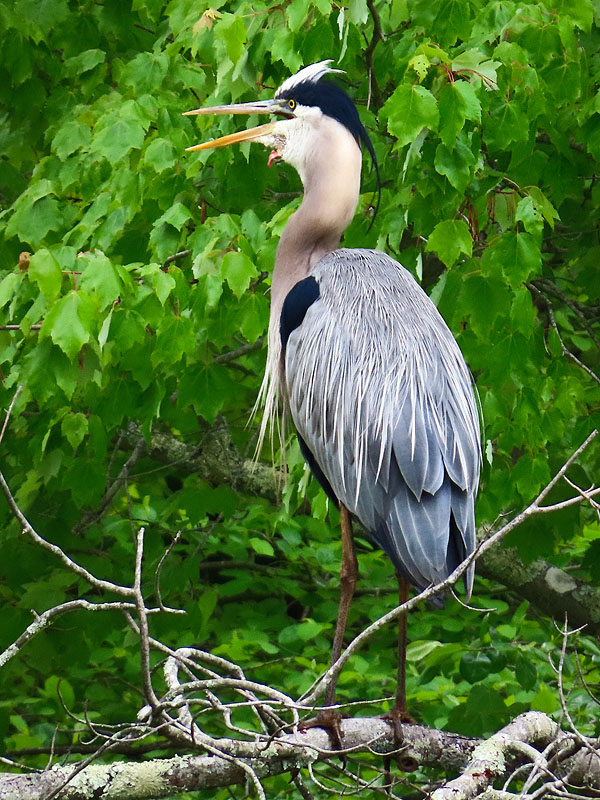
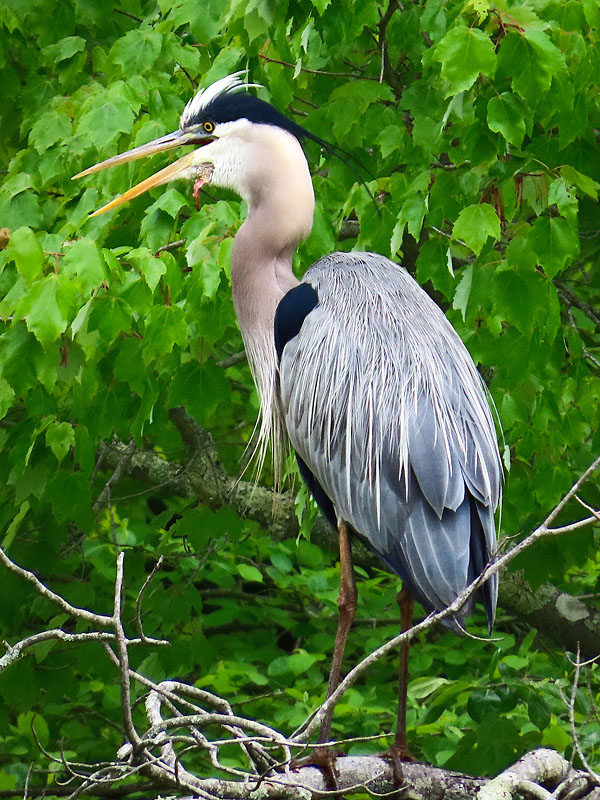
The Great Blue Heron (Ardea herodius) with the damaged throat and tongue. |
|
|
|